
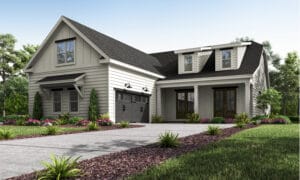
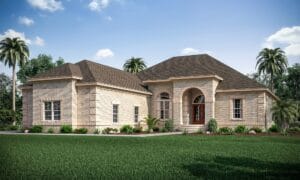
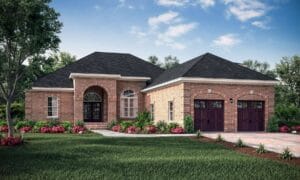
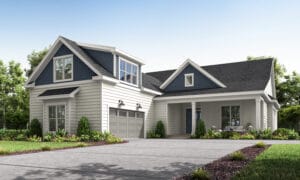
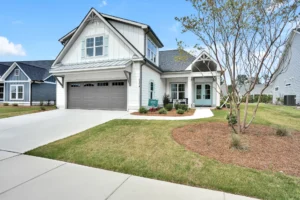
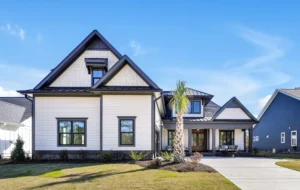
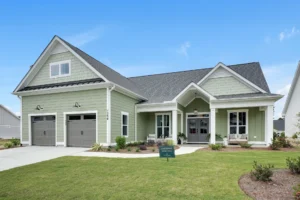
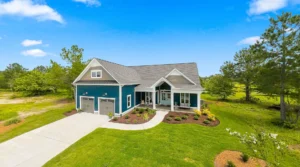
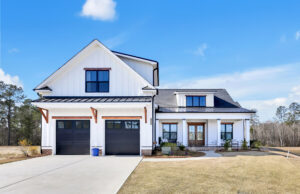
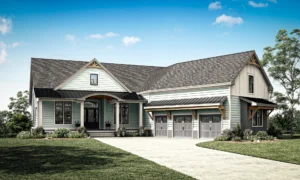
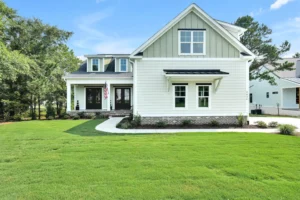

You have done your research. You have visited communities. You have fallen in love with the idea of waking up every morning in coastal North Carolina. From the waterways and golf to the pace of life and sense of community, you have found a place that feels like the next chapter you have been working toward for years.
Now comes the harder question: how do you design and build a custom home from 600, 800, or even 1,000 miles away without feeling disconnected from the process?
That concern is reasonable. Building a custom home is a major financial and emotional commitment even when you live nearby. When you are several states away, you cannot easily drive by the jobsite, stop into the office, or see every milestone in person.
The good news is that out-of-state buyers build successfully in coastal North Carolina every year. In our experience, two factors have an enormous impact on whether the process feels organized or stressful: understanding the process before you commit and choosing the right builder early.
This article explains the process, the costs you should plan for, the questions you should ask, the risks that can create problems, and the communication systems that matter when you are building from another state. It also follows the same four-phase, 12-step Liberty Homes Building Journey our clients use from first conversation through post-closing support.
Why Relocating Buyers Choose Coastal North Carolina
There is a reason so many relocating buyers are drawn to Brunswick County and the greater Wilmington area. The region offers coastal waterways, golf communities, dining, access to beaches, mild winters compared with much of the Northeast and Midwest, and a lifestyle that can feel less rushed.
Many relocating buyers are not simply searching for the lowest price. They are looking for a home that fits the life they plan to enjoy for years to come. That may mean a first-floor primary suite, space for visiting family, a larger kitchen for entertaining, a home office, a workshop, an outdoor living area, or a plan designed for aging in place.
The important point is that the home should fit the way you intend to live, not force you to adapt to whatever happens to be available on the resale market.
Liberty Homes has spent more than two decades helping clients build custom and semi-custom homes in Southeastern North Carolina. Many of those clients began the process while living out of state, which means the questions in this article are questions we hear regularly.
How the Liberty Homes Building Journey Works When You Live Out of State
One of the most important things an out-of-state buyer can understand is that the custom home process starts long before anyone picks up a shovel. Many of the decisions that have the greatest impact on cost, design, and schedule happen before construction begins. Liberty Homes organizes that work into a clear journey so you know what decisions are needed from you, what our team is coordinating, and what comes next.
At Liberty Homes, the sequence is organized into four phases and 12 steps. The amount of time spent in each step can vary by plan complexity, homesite conditions, community requirements, client decisions, engineering, permitting, and other project-specific factors, but the journey itself is the roadmap we use.
Phase One: Discover & Design.
Step 01: Start With Your Vision. Talk through your lifestyle, priorities, homesite, timing, and what makes sense for your budget. Explore completed homes, model homes, floor plans, and design ideas so the conversation begins with how you want to live, not simply with a house plan.
Step 02: Choose Your Home Path. Explore the Liberty collection and the design approach that best fits your goals. You may select a plan, personalize within available options, or pursue a fully custom path.
Step 03: Shape the Home Around Your Life. Refine the layout, structural choices, exterior design, and major space needs. At the same time, evaluate how the home fits your homesite and applicable community requirements.
Homesite due diligence belongs early in this phase because the lot can affect both design and cost. Setbacks, impervious surface limits, architectural review requirements, drainage, flood considerations, utilities, soils, topography, access, trees, and community rules can all matter. If you have not purchased a lot, involve the right professionals before you commit.
Liberty offers a free Preliminary Plot Plan evaluation to help you better understand whether the homesite and desired plan appear compatible before you commit. Additional surveying, engineering, permitting, soil evaluation, utility review, or other due diligence may still be required.
Phase Two: Understand & Commit.
Step 04: Understand Your Investment. Review included specifications, known options, allowances, project assumptions, and the expected project timeline. The goal is to understand the overall investment and make informed tradeoffs before committing.
Step 05: Make It Official. Review the agreement, scope, responsibilities, and next milestones. Ask your questions, understand what happens next, and move forward only when you are comfortable with the commitment.
Phase Three: Personalize & Prepare.
Step 06: Personalize Your Home. Work with professional design guidance to select exterior and interior finishes. Coordinate materials, colors, fixtures, and details that reflect how you want to live.
Step 07: Review, Refine & Approve. Review your selections and coordinated design details. Confirm decisions, understand pricing impacts, and resolve open items before the project moves deeper into technical documentation and approvals.
Step 08: Finalize Plans & Approvals. Complete the construction plan package and technical documentation. Liberty coordinates the applicable architectural review, engineering, permitting, utilities, and other project requirements.
Step 09: Prepare for Construction. Meet your Project Manager and review how the construction phase will work. Confirm communication expectations, key milestones, and site procedures before active construction begins.
A lot happens behind the scenes during this phase. Plans, selections, engineering, approvals, permits, utilities, and site requirements may be moving forward even when you cannot yet see equipment on the homesite. For an out-of-state buyer, understanding this is especially important because visible activity is not the only measure of progress.
Phase Four: Build & Welcome Home.
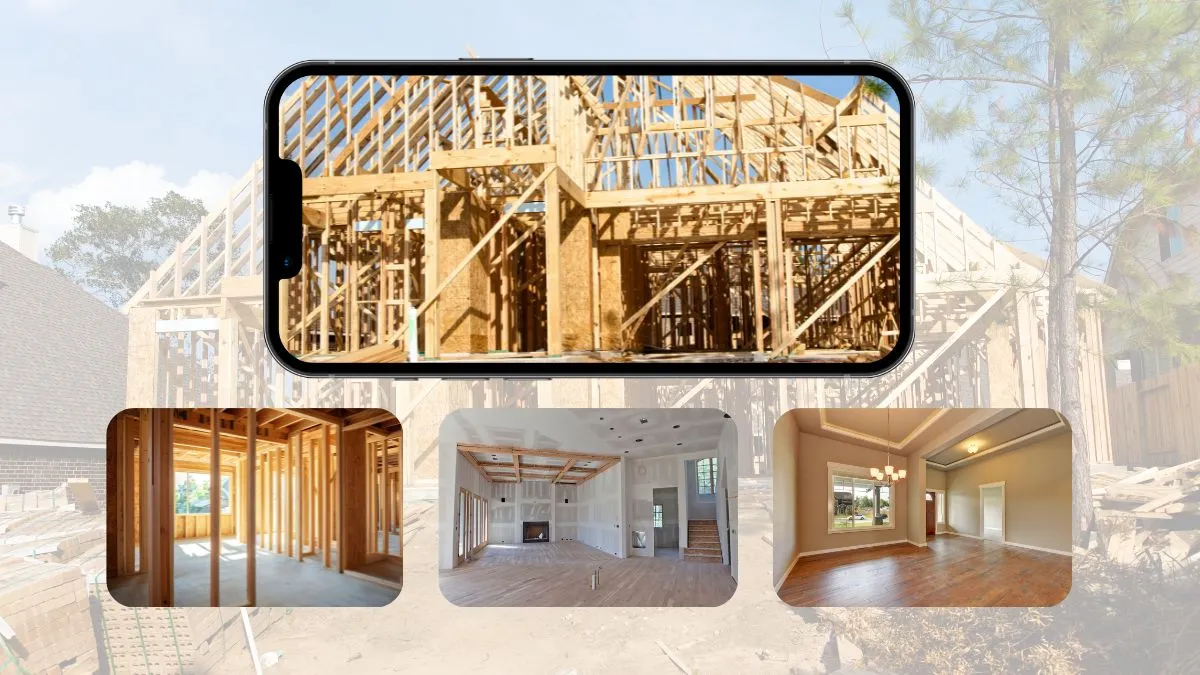
Step 10: Watch Your Home Take Shape. Follow progress from site preparation and foundation through framing, plumbing, electrical, HVAC, and finishes. Stay connected through planned updates and defined milestone meetings.
Step 11: Orientation, Closing & Keys. Walk through your completed home, learn how key systems operate, complete the closing process, and receive the keys to your new Liberty home.
Step 12: Support Beyond Closing. Understand your warranty coverage and how to request service. Stay connected with the Liberty team as you settle into your home.
How Much Should an Out-of-State Buyer Budget?
This is one of the hardest questions, and it is exactly why Step 04 of the Liberty Homes Building Journey is Understand Your Investment. The direct answer is that there is no responsible single budget number based only on square footage or a photograph of a home you like.
A credible budget has to account for the entire project, not just the advertised base price of the house. Two homes with similar heated square footage can finish at very different totals because of architecture, structural complexity, homesite conditions, community requirements, exterior materials, interior selections, outdoor living, and owner-requested changes.
When you are planning from another state, build a full project budget that addresses each of the following categories:
- Land acquisition and due diligence, including surveys, legal review, soil or geotechnical work when needed, flood information, wetlands considerations, title work, and other property-specific investigation.
- Design, engineering, and approvals, including plan development, structural engineering, community architectural review, permitting, and other jurisdictional requirements that apply to the project.
- Site development, including clearing, grading, drainage, driveway work, foundation requirements, utility connections, septic or well work when applicable, retaining conditions, and other lot-specific work.
- The home itself, including the structure, included specifications, major systems, exterior materials, interior finishes, and builder-defined standard features.
- Allowances and selections, especially cabinetry, countertops, flooring, tile, plumbing, lighting, appliances, and other categories where your preferences may differ from the amount carried in the initial price.
- Community and ownership costs, which may include ARC fees, deposits, impact fees, association-related requirements, or other charges tied to the neighborhood or municipality.
- Financing and carrying costs, including construction-loan interest, appraisal or lender fees, taxes, insurance, and the cost of maintaining another residence while the home is being built.
- Temporary housing, travel, moving, storage, and transition costs. Out-of-state clients often make several trips for design meetings, milestone visits, closing, and the final move.
- A separate reserve for homeowner-requested changes and unresolved risks. The appropriate amount depends on how complete the design is, how much homesite uncertainty remains, and how likely you are to change selections or scope after contract.
The most important budgeting question is not simply, ‘What is your price per square foot?’ It is, ‘What is included in this number, what is excluded, what is an allowance, what is an assumption, and what could still change?’
Ask every builder to walk through those categories in plain English. A lower initial number is not automatically a better value if important scope is missing or carried as an unrealistic allowance. Likewise, a higher number may include work another builder has left outside the contract.
At Liberty Homes, we would rather explain where uncertainty still exists than create false confidence with a number that looks precise but is not yet supported by the plan, homesite, specifications, and known project requirements.
How to Evaluate a Custom Home Builder When You Live 8 to 12 Hours Away
Choosing a builder is one of the most important decisions in the entire process. When you cannot easily drive by a jobsite or stop into the office on a Tuesday afternoon, that decision deserves extra care.
Ask the same hard questions of every builder you are considering:
How do you keep remote buyers informed? Ask exactly how the builder communicates with remote clients. How often will you receive updates? Will you have access to photographs, schedules, construction logs, or video walkthroughs? Who is your primary point of contact when you have a question?
How is pricing structured? Do not stop at the words fixed price or cost plus. Ask what is included, what is excluded, which categories are allowances, how site conditions are handled, how owner changes are priced, and what contract provisions can affect the final investment.
Can you connect me with other out-of-state buyers? Past clients who managed the process from another state can tell you what communication actually felt like after the contract was signed. Ask for references who had a similar distance, project type, or community.
Will you review a lot before I buy it? A builder who is willing to help you evaluate plan compatibility and point out obvious concerns before you commit can help you ask better questions. Remember that a builder review does not replace surveying, engineering, environmental, legal, soil, utility, or other professional due diligence when required.
How long have you been building in this specific market? Coastal North Carolina has community review processes, local permitting requirements, impervious surface rules, drainage issues, flood considerations, and site-development conditions that vary by location. Ask for specific experience in the county, municipality, and community where you plan to build.
What happens when something goes wrong? Every custom project encounters changes, questions, or unexpected conditions. Ask how the builder escalates issues, documents decisions, communicates cost and schedule impacts, and resolves disagreements.
What Can Go Wrong When You Build From Another State?
Building from another state is absolutely possible, but it requires realistic expectations. The biggest risks usually come from assumptions made too early.
A homesite that looks perfect may have setbacks, drainage concerns, utility costs, impervious surface restrictions, architectural requirements, flood considerations, or other conditions that affect the plan and budget. A price that appears lower may exclude items another builder includes. An allowance may sound generous until you understand what your preferred selections actually cost. A construction schedule can also change because of inspections, weather, material availability, permitting, or homeowner-requested changes.
Remote buyers face an additional risk: silence can create anxiety. When you cannot see the project yourself, a gap in communication can feel much larger than it would if you lived five minutes away. That is why communication expectations should be discussed before contract, not after frustration begins.
Another common problem is making major decisions too late. This is one reason the Liberty Homes journey separates Personalize Your Home, Review, Refine & Approve, Finalize Plans & Approvals, and Prepare for Construction into four distinct steps. Late plan changes, incomplete selections, delayed approvals, or a decision to upgrade a product after it has already been ordered can affect cost and schedule. A good process should identify decision deadlines and explain the consequences of changing direction after work has moved forward.
The best protection is not a promise that nothing will go wrong. Custom construction does not work that way. The best protection is doing more homework before you commit, understanding what is included and excluded, asking how unknown conditions are handled, making decisions on time, and choosing a builder who communicates clearly when circumstances change.
How Should a Builder Keep Out-of-State Clients Informed?
Ask about communication before you commit, then confirm it again before construction begins. In the Liberty Homes Building Journey, Step 09 is Prepare for Construction, when clients meet their Project Manager and review communication expectations, key milestones, and site procedures. You should understand who your primary contact is, where project information is stored, how updates are shared, how urgent issues are escalated, and which milestones are worth traveling for.
At Liberty Homes, every client receives access to the Buildertrend homeowner portal, where project information may include construction updates, photographs, schedules, documents, and other important communication.
Before drywall, Liberty also conducts an iGuide 360-degree camera walkthrough of the home at the framing and rough-in stage. This creates a detailed visual record of visible framing and installed rough-ins at the time of capture, before drywall covers many of those components.
Our project managers also use forward-looking schedule information to help clients understand upcoming work. For an out-of-state buyer, that visibility can make it easier to plan travel for important milestones and understand what is happening even when you are not physically present.
How Long Does It Really Take to Build a Custom Home?
This is one of the first questions out-of-state buyers ask, and the honest answer is that there is no single timeline that applies to every custom home. Design complexity, client decisions, architectural review, engineering, permitting, homesite conditions, inspections, weather, material availability, and the level of customization can all affect the schedule.
A more useful way to think about timing is through the same four phases of the Liberty Homes Building Journey:
- Discover & Design, Steps 01-03: Start With Your Vision, Choose Your Home Path, and Shape the Home Around Your Life. Timing depends on how quickly the design direction becomes clear, the amount of customization, homesite fit, and community requirements.
- Understand & Commit, Steps 04-05: Understand Your Investment and Make It Official. This phase includes reviewing specifications, known options, allowances, project assumptions, overall investment, the agreement, responsibilities, and next milestones.
- Personalize & Prepare, Steps 06-09: Personalize Your Home, Review, Refine & Approve, Finalize Plans & Approvals, and Prepare for Construction. This phase may include selections, pricing impacts, construction documents, architectural review, engineering, permitting, utilities, and the pre-construction handoff to your Project Manager.
- Build & Welcome Home, Steps 10-12: Watch Your Home Take Shape, Orientation, Closing & Keys, and Support Beyond Closing. This phase runs from active construction through move-in and warranty support.
Ask a prospective builder for expected ranges based on your actual plan, homesite, community, level of customization, approval requirements, and current workload. Also ask what assumptions the schedule depends on. A responsible schedule should explain dependencies, not hide them.
One of the most common avoidable causes of delay is incomplete or late decision-making. When selections are not finished on time, materials cannot be ordered with confidence and downstream work may be affected. That is why disciplined pre-construction planning matters so much for an out-of-state buyer.
What Matters Beyond the Contract
There is no shortage of home builders in Brunswick County and the greater Wilmington area. The right choice is not determined by one feature, one sales presentation, or one price point. At Liberty Homes, Make It Official is Step 05 of 12, not the finish line. The journey still includes personalization, approvals, pre-construction preparation, active construction, orientation, closing, and Support Beyond Closing.
Look at the full experience. How does the builder communicate? How are decisions documented? What quality-control systems exist? How clean and organized are active jobsites? How are warranty questions handled? Can the builder explain both strengths and limitations without becoming defensive?
For example, Liberty Homes works with Hollingsworth Cabinetry in Wilmington, giving clients access to locally produced cabinetry and a team familiar with the expectations of custom home construction. Liberty also uses project-management accountability systems and jobsite standards intended to keep the work organized throughout construction.
Liberty builds semi-custom and fully custom homes through the Patriot and Blue Star Collections, giving clients different paths depending on the level of customization and personalization they want.
Those facts may matter to you, or another builder may be a better fit. The goal of your research should be to understand the process well enough to make that decision with your eyes open.
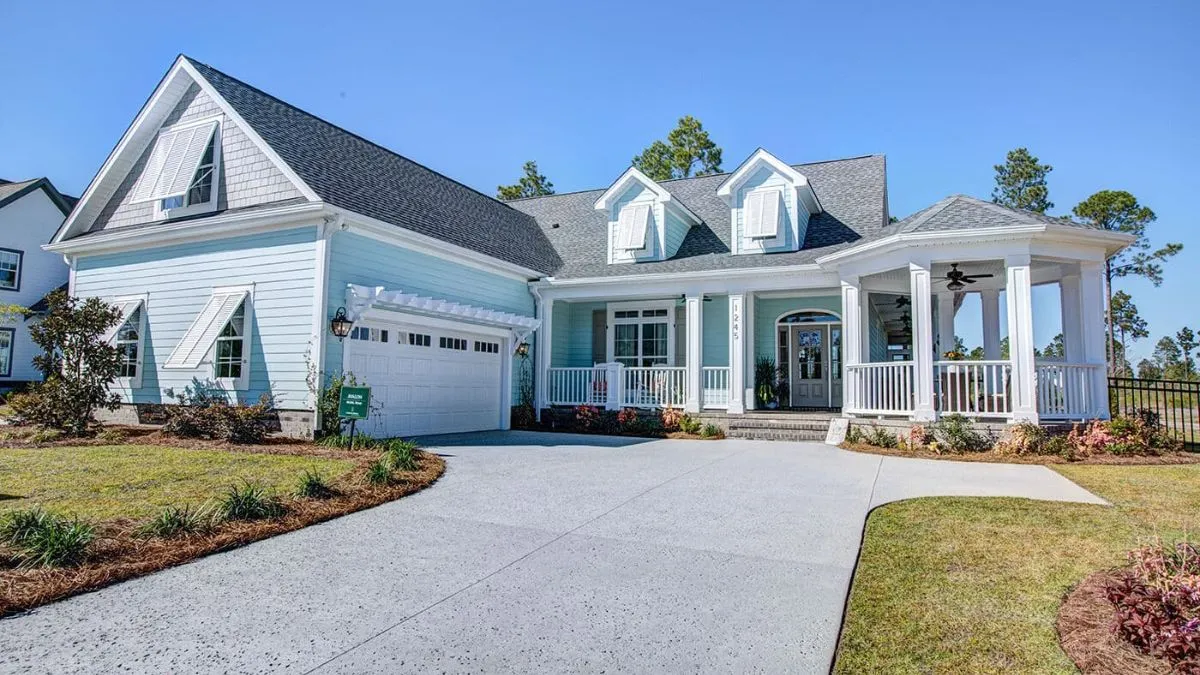
Building a custom home from another state is a major commitment. You are trusting a team to coordinate hundreds of decisions while you may be several hundred miles away. That trust should be earned through a clear process, honest pricing conversations, realistic schedules, documented communication, and the willingness to talk openly about risk. A defined 12-step journey gives you a roadmap from your first conversation to life in your new home.
The best first step is to ask questions before you buy a lot, before you commit to a community, and before you finalize a floor plan. Ask about cost. Ask what is excluded. Ask what can change. Ask how problems are handled. Ask to speak with past clients. A good builder should welcome those questions.
If you are considering a custom or semi-custom home in Southeastern North Carolina, contact Liberty Homes for a conversation. Bring us your plan ideas, your homesite questions, your budget concerns, and the difficult questions. We will help you understand the process and determine whether Liberty Homes is the right fit for what you are trying to build.